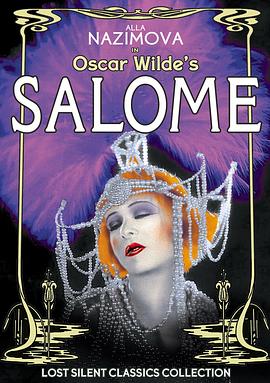
萨乐美

萨乐美

98.71万次播放 3.1分 1923

监制:暂无 / 主演:艾拉·娜兹莫娃

Salomé (1923), a silent film directed by Charles Bryant and starring Alla Nazimova, is a film adaptation of the Oscar Wilde play of the same name. The play itself is a loose retelling of the biblical story of King Herod and his execution of John the Baptist (here, as in Wilde's play, called Jokaanan) at the request of his stepdaughter, Salomé, whom he lusts after.  Salomé is often called one of the first art films to be made in the U.S.[citation needed] The highly stylized costumes, exaggerated acting (even for the period), minimal sets, and absence of all but the most necessary props make for a screen image much more focused on atmosphere and on conveying a sense of the characters' individual heightened desires than on conventional plot development.  Despite the film being only a little over an hour in length and having no real action to speak of, it cost over $350,000 to make. All the sets were constructed indoors to be able to have complete control over the lighting. The film was shot completely in black and white, matching the illustrations done by Aubrey Beardsley in the printed edition of Wilde's play. The costumes, designed by Natacha Rambova, used material only from Maison Lewis of Paris, such as the real silver lamé loincloths worn by the guards.  No major studio would be associated with the film, and it was years after its completion before it was released, by a minor independent distributor. It was a complete failure at the time and marked the end of Nazimova's producing career.  A longstanding rumor, which seems to have started while the film was still in production, suggests that its cast is comprised entirely of gay and bisexual actors in an homage to Oscar Wilde, as per star and producer Nazimova's demand. It is, of course, impossible to say, but one of the extras in Salomé reported that a number of the cast members—both featured and extras—were indeed gay, but not an unusual percentage of them, and certainly not all of them. What can be said is that Nazimova herself was a lesbian, the two guard characters (who, next to Salomé, have the most screen time) are at least played very stereotypically gay, and several of the female courtiers are men in drag.  Salomé was screened in 1989 at the New York International Festival of Lesbian and Gay films and in 1990 at the New York Gay Experimental Film Festival.  In 2000, the United States Library of Congress deemed the film culturally significant and selected it for preservation in the National Film Registry.
简介


热门推荐

口碑剧集和同题材热播内容继续追

  • 58.10万次播放
    私人女教练

    讲述了黎瑞、孟思媛、乔玲和韩彤四个私人女教练共同经营一家名为LIKING的健身俱乐部的故事,由于经营初期出现了一系列的问题,导致四人应顾不暇,差点分道扬镳,但共同的健身理念,最终让四人携手共渡难关

    2020 / 大陆

  • 90.73万次播放
    一切如你

    影片的初衷是,有四位年轻人,他们用镜头记录下了爷爷奶奶的现实生活,在创作过程中,他们了解到中国当今的老龄化现状,有太多的老人缺少陪伴,于是,他们决定用自己的所学,拍摄这部电影《一切如你》。从年轻人角度出发,讲述了十个“养老、孝老、敬老”的故事。他们的举动得到了老一辈电影艺术家的鼎力支持,这次拍摄是一次难忘的创作历程,更是一次肩负使命的文化传承。

    2019 / 大陆

  • 1710次播放
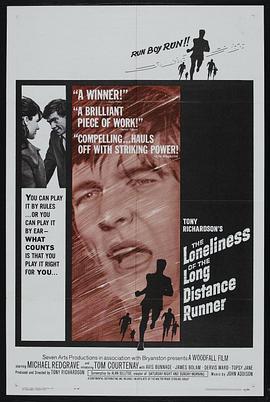
    长跑者的寂寞

    跑不开的回忆——《长跑者的寂寞》  英国少年感化院里生活的少年犯了克林,因偷窃罪被囚,然而他于长跑的才华,令他受到高度重视,更获颁奖牌。不过,在漫长又孤独的集训中,他每每回忆起监禁前所遭遇的种种不幸。生活在这种矛盾之中,他对社会越来越不满,也充满了抵抗的态度。曾是英国“自由电影运动”热心分子的托尼·李察逊,以意识流手法探讨年轻人的叛逆心理,《长跑者的寂寞》可算是英国“愤怒派”代表性名作之一。

    1962 / 英国

  • 55.08万次播放
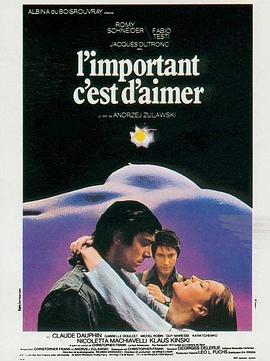
    爱是最重要的事

    摄影记者塞尔维邂逅电影演员娜第尔,她为了生存不得不出演一些不能表现其才能的角色。娜第尔的丈夫雅克是一个有魅力的男人,但在幻灭后开始逃避现实。娜第尔和塞尔维很快发现了他们的相遇是如此重要。尽管这并不是他们两人愿意看到的,从相遇时他们便开始了一个老套的爱情冒险……

    1975 / 法国

  • 85.13万次播放
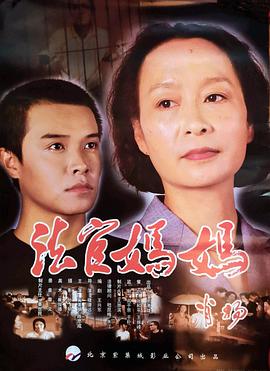
    法官妈妈

    张帅(陈思成 饰)服刑三年出狱后,决定对当年审判他的法官安慧(奚美娟 饰)施实报复。三年前,十五岁的他因入室抢劫被捕,庭审前,李律师私吞了张家打算疏通安慧的两万元钱,这事张家和安慧并不知情,服刑期间,张帅的母亲抑郁去世,出狱后张帅决定搜集安慧“受贿”的证据,让她也尝尝牢狱之苦。后来听说母亲在医院卖肾贿赂安慧救他,更令他怒火中烧,但安慧对此矢口否认。时间一天天过去,张帅用尽了手段也没发现安慧有什么可抓的把柄,反而对他关爱有加。当张帅将所谓的“证据”提供给检察院时,安慧反而对他能用法律武器解决问题感到高兴。在张帅十八岁生日之际,一封神秘的信件揭开了尘封的谜底……

    2001 / 大陆

  • 56.04万次播放
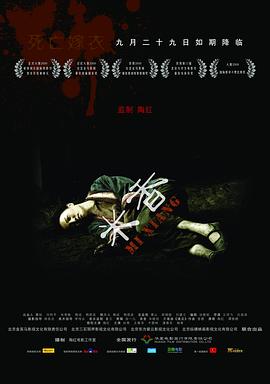
    米香

    家在四川阿坝的米香(陶红 饰)遭丈夫抛弃后,一个人带傻儿子(杨青 饰)生活,同村的马金花(王菁华 饰)让她去北方小煤矿找个光棍嫁了,因为矿工出事后会赔偿数目可观的怃恤金。米香千里迢迢北上河南,在一个小煤矿安顿下来。经过筛选,她相中了矿工王驼子(孙亮 饰)。驼子原来被女人 放过鸽子,他本想只同居不结婚,但架不住傻儿子一口一个爹地叫着,终于迎娶了四川女人米香,被米香拒绝过的大李(潘泰名 饰)黯然神伤。结婚后,米香盼着又老又丑的驼子早日出事,不料死的竟是米香心中所爱的大李。米香偷偷跑到煤山挖自已咒死丈夫的罪证,不幸被砸伤住院,一切蒙在敲里的驼子花光了所有积蓄为米香看病,米香羞愧交加......

    2009 / 大陆

萨乐美

首播时间:1923

更新状态:

监制:暂无

主演:艾拉·娜兹莫娃

播放量:98.71万

剧情简介
Salomé (1923), a silent film directed by Charles Bryant and starring Alla Nazimova, is a film adaptation of the Oscar Wilde play of the same name. The play itself is a loose retelling of the biblical story of King Herod and his execution of John the Baptist (here, as in Wilde's play, called Jokaanan) at the request of his stepdaughter, Salomé, whom he lusts after.  Salomé is often called one of the first art films to be made in the U.S.[citation needed] The highly stylized costumes, exaggerated acting (even for the period), minimal sets, and absence of all but the most necessary props make for a screen image much more focused on atmosphere and on conveying a sense of the characters' individual heightened desires than on conventional plot development.  Despite the film being only a little over an hour in length and having no real action to speak of, it cost over $350,000 to make. All the sets were constructed indoors to be able to have complete control over the lighting. The film was shot completely in black and white, matching the illustrations done by Aubrey Beardsley in the printed edition of Wilde's play. The costumes, designed by Natacha Rambova, used material only from Maison Lewis of Paris, such as the real silver lamé loincloths worn by the guards.  No major studio would be associated with the film, and it was years after its completion before it was released, by a minor independent distributor. It was a complete failure at the time and marked the end of Nazimova's producing career.  A longstanding rumor, which seems to have started while the film was still in production, suggests that its cast is comprised entirely of gay and bisexual actors in an homage to Oscar Wilde, as per star and producer Nazimova's demand. It is, of course, impossible to say, but one of the extras in Salomé reported that a number of the cast members—both featured and extras—were indeed gay, but not an unusual percentage of them, and certainly not all of them. What can be said is that Nazimova herself was a lesbian, the two guard characters (who, next to Salomé, have the most screen time) are at least played very stereotypically gay, and several of the female courtiers are men in drag.  Salomé was screened in 1989 at the New York International Festival of Lesbian and Gay films and in 1990 at the New York Gay Experimental Film Festival.  In 2000, the United States Library of Congress deemed the film culturally significant and selected it for preservation in the National Film Registry.
选集
2.244946s