魔鬼的陷阱

魔鬼的陷阱

99.79万次播放 6.9分 1962

监制:暂无 / 主演:VítezslavVejrazka/米罗斯拉夫·马哈切克/CestmírRanda/VítOlmer/KarlaChadimová/VlastimilHasek/FrantisekKovárík/雅罗斯拉夫·毛奇卡/约瑟夫·赫利诺马兹/贝德里奇·卡兰/JiríBelohoubek/JirinaBílá/MonikaIndingerová/LadislavKazda/MilanKindl/伊里·弗斯塔拉

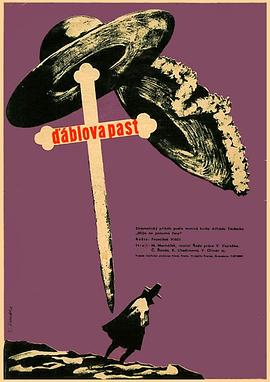
In the time of Counter-Reformation, a miller and his son come under investigation by a priest of the Inquisition, when rumors spread that their prosperity comes from working with the Devil.  The Devil's Trap is a film directed by František Vláil, based on a novel by Alfréd Technik, adapted by František A. Dvorák and Miloš Kratochvíl. It was the first of three historical dramas that Vláil made during the Czech New Wave (technically he isn't really a part of the New Wave, however these films were made during the same era of artistic freedom), preceding his more well known Marketa Lazarová (1967) and Valley of the Bees (1968).  Set in the late 16th Century during the Catholic Reformation, in the Moravian Karst, situated in what is now the Eastern Czech Republic, it tells the tale of a miller (Vítezslav Vejrazka), and his son Jan (Vít Olmer), who come under suspicion and are investigated by a Jesuit priest of the Inquisition (Miroslav Macháchek), when rumors of witchcraft are spread by the local regent (Cestmír Randa), who is jealous of the miller's prosperity and degree of respect among the local populace.  As expected from Vláil, this film is a stunning experience all the way through. From the opening shot, an ominous manipulation of perspective with a close up of a mangled figure of Christ dominating the foreground against a tiny figure in black walking along the horizon, to the breathtaking confrontational finale inside the vast stalactite filled Karst caverns, it is a wonderful display of visual mastery.  Maybe not quite as impressive as Marketa Lazarová, but still full of astonishing imagery. As seen from unique angles and distinct points of view which highlight the director's remarkable sense of awareness of framing, motion, and positioning on the emotional and dramatic tone of the scene. The most memorable being a repeated shot where the camera is suspended and launched with speed through the air towards the miller's door.  The story here is a simple one and I would say more accessible than his later works. With a conventional structure emphasized as much by its plot and characters, than by its expressionistic cinematography or authentic historical detail. The events play out without much surprise, and there is a strong underlying, almost supernatural, mysterious aspect that is left unresolved, in fact barely explored, which is slightly disappointing, but only because it's so fascinating that I wish there was more.  Acting is great all around. Particularly the villains Miroslav Macháchek as the priest, casting a sinister and imposing shadow wherever he goes, and Cestmír Randa as the weasel like regent behind all the persecution. While Vít Olmer brings a charismatic leading man presence in his role as the miller's son Jan, in love with the lovely orphan girl Martina (Karla Chadimová), who becomes a dangerous object of rivalry between Jan and other young men of the village.  The film also features the evocative music of Zdenk Liška (perhaps the most prolific composer of the Czech New Wave). In this his second of eleven collaborations with Vláil, his compositions are used sparingly, but to great effect, complimenting but never overpowering a scene. The best example of which can be heard in an amazingly shot celebration and dance sequence at the end of the second act.  The Devil's Trap might not be a masterpiece, but it is still a strong effort, with a fascinating straightforward story and a glorious historical setting captured beautifully by Vláil's unmistakable visual prowess. A fine work that would also be the perfect starter plate to prepare yourself for the challenging feast of Marketa Lazarová or The Valley of the Bees. It even has an easy to digest running time. It's therefore puzzling why this gem remains largely overlooked and ignored.
简介
热门推荐

口碑剧集和同题材热播内容继续追

  • 29.65万次播放
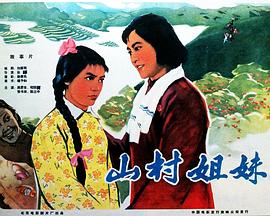
    山村姐妹

    1963年,在北京远郊区的深山沟里有个村庄叫海棠峪,村里有户农民有两个女儿,大女儿叫金雁,二女儿叫金玲,都是中学毕业生。金雁在城里当小学教师。一天,她放假回村,看见村里变化很大,社员们都以极大的热情投入到轰轰烈烈的农业生产建设中去了。她内心十分兴奋,连家也没回就跟着大伙儿一道干了起来。她想起党和国家的号召,人民对青年人的期望,于是决心申请回乡,参加农业生产劳动。妹妹金玲是在母亲娇生惯养下长大的,她受到富农表婶钱氏的资产阶级思想的影响,害怕劳动,贪图享受。她嫌弃山区的生活,于是钱氏就趁机在平原地区的马坊村为她找了婆家,结了婚。金玲嫁到富村马家坊后,并不是像她想的那样一切都是坐享其成。马坊的社员们一样要靠辛勤的劳动,才能获得丰收的果实。她的丈夫赵明理,是个糊里糊涂的小伙子,富农钱氏叫他给金玲送彩礼,他就借了一屁股债买了彩礼送回来。为了还债他听信钱氏的蛊惑倒卖粮食,结果受到村领导和社员们的批评。不久,海棠峪揭露了富农钱氏的破坏言行,提高了金玲和赵明理的觉悟,使他们认清了资产阶级思想的毒害,和富农钱氏划清了界线,走上了正确的道路。姐姐金雁回到家乡后,积极参加改造山区的战斗,她在老贫农、党支部委员老耿头的领导下,与村里的青年们一起,搞起海棠嫁接苹果的科学试验。母亲的不满,富农的挑拨,以及试验中的困难都没有吓倒她,反而使她的革命意志更加坚强了。最后,她们终于使海棠嫁接苹果试验成功。之后,她又和村里的年轻人一起,到深山里开荒生产,投入新的工作。

    1965 / 大陆

  • 38.61万次播放
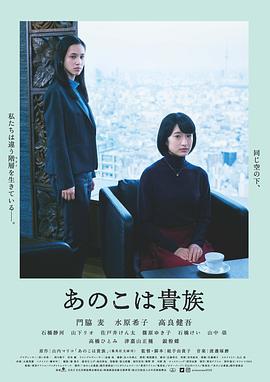
    东京贵族女子

    改编自山内麻里子的同名小说,聚焦同样在都市生活境遇却截然不同的两个女子——门胁麦扮演生于大城市、被呵护长大的大小姐榛原华子,正全身心投入相亲;水原希子扮演从小地方来东京打拼,自己拼出一条活路的时冈美纪。

    2021 / 日本

  • 51.96万次播放
    奥莉维娅

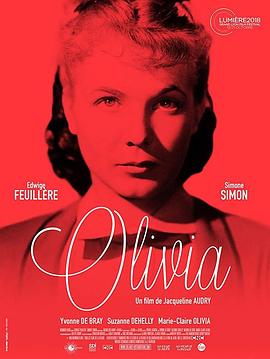
    大概是法国第一部描写女同志的故事片吧。  Olivia (also known as Pit of Loneliness) is a 1951 French film directed by Jacqueline Audry. It is based on the 1950 semi-autobiographical novel by Dorothy Bussy. It has been called a landmark of lesbian representation. Olivia arrives at a finishing school and falls in love with headmistress Mlle. Julie. Mlle. Julie feels the same, but tries to suppress her desire. For her part as Mlle. Julie, Edwige Feuillère was nominated for a BAFTA award for Best Foreign Actress in 1952.  French director Audry made 18 feature films from 1944 to 1972. Her earliest films are prime examples of the French 'tradition of quality.' She favored plots adapted from French literature. Audry is most distinguished from her peers in that her films were primarily focused upon female leads, whereas traditional French cinema is centered around the lives of men. Her most notorious film was 1951's Olivia, which dealt with lesbian relationships.

    1951 / 法国

  • 23.21万次播放
    拳语者

    快乐幽默的正义拳手泰博得知自己老板康西铭想通过一双威力强大的高科技产品——拳语手套操纵拳坛,其女友冰优又因拳语手套意外身eee。泰博被打成重伤而失忆,醒来后的泰博已经记不起前尘旧事,让同伴阿力很是苦恼。这时,与冰优长相一样的女人出现并将拳语手套交给泰博,希望他恢复记忆振作起来,惩恶扬善。哪知,泰博戴上神奇拳套后无法拒绝其带来的魔力与荣誉,黑化的同时反而被康西铭利用,成为他的拳坛摇钱树。泰博脱下拳套,决定凭借真本事证明自己的实力,却以失败告终,陷入康西铭追杀,阿力为救泰博而死。危急时刻,泰博师傅静元大师重出江湖,试图挽救危局。泰博能否找回自己,战胜拳语手套,战胜康西铭.......

    2019 / 内地

  • 62.08万次播放
    情如物证

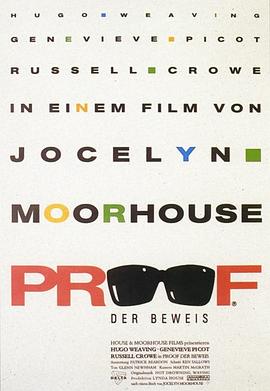
    马丁一出生就是个盲人,为了证实别人告诉自己的话是否都是事实,他从10岁起便开始坚持不懈地用手中的照相机拍照。为了证明自己未被欺骗,也为了证明自己的存在。在一次邂逅之后,平凡的厨师安迪成了他最信赖的人,尽管他们的友情也经历了种种考验。

    1991 / 其它

  • 96.53万次播放
    卖笑女郎

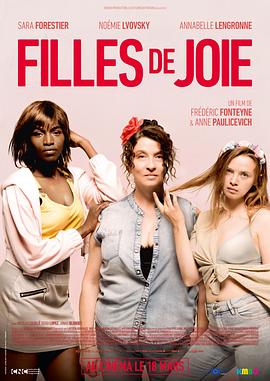
    《賣笑女郎》講述三個女人的故事,雅采兒,康素和多明妮除了是同事並且每天一同過邊境到鄰國上班之外,她們之間並沒有什麼共通之處。為了在魯貝這邊能過上體面的生活,她們過境到另一邊的比利時賣淫,這雙重生活就是她們的秘密。夏季結束時,這三名女子為了互相支持而相約見面,正如抵抗軍會互相打氣一樣。  2020 年鹿特丹影展 — Voices 單元

    2020 / 法国

魔鬼的陷阱

首播时间:1962

更新状态:

监制:暂无

主演:VítezslavVejrazka/米罗斯拉夫·马哈切克/CestmírRanda/VítOlmer/KarlaChadimová/VlastimilHasek/FrantisekKovárík/雅罗斯拉夫·毛奇卡/约瑟夫·赫利诺马兹/贝德里奇·卡兰/JiríBelohoubek/JirinaBílá/MonikaIndingerová/LadislavKazda/MilanKindl/伊里·弗斯塔拉

播放量:99.79万

剧情简介
In the time of Counter-Reformation, a miller and his son come under investigation by a priest of the Inquisition, when rumors spread that their prosperity comes from working with the Devil.  The Devil's Trap is a film directed by František Vláil, based on a novel by Alfréd Technik, adapted by František A. Dvorák and Miloš Kratochvíl. It was the first of three historical dramas that Vláil made during the Czech New Wave (technically he isn't really a part of the New Wave, however these films were made during the same era of artistic freedom), preceding his more well known Marketa Lazarová (1967) and Valley of the Bees (1968).  Set in the late 16th Century during the Catholic Reformation, in the Moravian Karst, situated in what is now the Eastern Czech Republic, it tells the tale of a miller (Vítezslav Vejrazka), and his son Jan (Vít Olmer), who come under suspicion and are investigated by a Jesuit priest of the Inquisition (Miroslav Macháchek), when rumors of witchcraft are spread by the local regent (Cestmír Randa), who is jealous of the miller's prosperity and degree of respect among the local populace.  As expected from Vláil, this film is a stunning experience all the way through. From the opening shot, an ominous manipulation of perspective with a close up of a mangled figure of Christ dominating the foreground against a tiny figure in black walking along the horizon, to the breathtaking confrontational finale inside the vast stalactite filled Karst caverns, it is a wonderful display of visual mastery.  Maybe not quite as impressive as Marketa Lazarová, but still full of astonishing imagery. As seen from unique angles and distinct points of view which highlight the director's remarkable sense of awareness of framing, motion, and positioning on the emotional and dramatic tone of the scene. The most memorable being a repeated shot where the camera is suspended and launched with speed through the air towards the miller's door.  The story here is a simple one and I would say more accessible than his later works. With a conventional structure emphasized as much by its plot and characters, than by its expressionistic cinematography or authentic historical detail. The events play out without much surprise, and there is a strong underlying, almost supernatural, mysterious aspect that is left unresolved, in fact barely explored, which is slightly disappointing, but only because it's so fascinating that I wish there was more.  Acting is great all around. Particularly the villains Miroslav Macháchek as the priest, casting a sinister and imposing shadow wherever he goes, and Cestmír Randa as the weasel like regent behind all the persecution. While Vít Olmer brings a charismatic leading man presence in his role as the miller's son Jan, in love with the lovely orphan girl Martina (Karla Chadimová), who becomes a dangerous object of rivalry between Jan and other young men of the village.  The film also features the evocative music of Zdenk Liška (perhaps the most prolific composer of the Czech New Wave). In this his second of eleven collaborations with Vláil, his compositions are used sparingly, but to great effect, complimenting but never overpowering a scene. The best example of which can be heard in an amazingly shot celebration and dance sequence at the end of the second act.  The Devil's Trap might not be a masterpiece, but it is still a strong effort, with a fascinating straightforward story and a glorious historical setting captured beautifully by Vláil's unmistakable visual prowess. A fine work that would also be the perfect starter plate to prepare yourself for the challenging feast of Marketa Lazarová or The Valley of the Bees. It even has an easy to digest running time. It's therefore puzzling why this gem remains largely overlooked and ignored.
选集
2.767181s