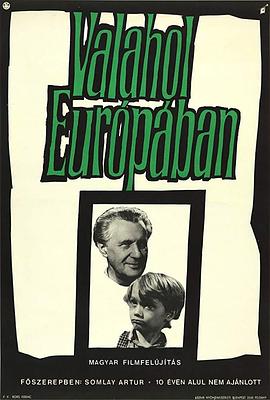
欧洲的某个地方

欧洲的某个地方

90.10万次播放 3分 1948

监制:暂无 / 主演:ArtúrSomlay/MiklósGábor/ZsuzsaBánki

Somewhere in the remote region, the war ends. In the midst of ruined cities and houses in the streets, in rural hamlets, everywhere where people still live, are children who have lost their homes and parents. Abandoned, hungry, and in rags, defenseless and humiliated, they wander through the world. Hunger drives them. Little streams of orphans merge into a river which rushes forward and submerges everything in its path. The children do not know any feeling; they know only the world of their enemies. They fight, steal, struggle for a mouthful of food, and violence is merely a means to get it. A gang led by Cahoun finds a refuge in an abandoned castle and encounters an old composer who has voluntarily retired into solitude from a world of hatred, treason, and crime. How can they find a common ground, how can they become mutual friends The castle becomes their hiding place but possibly it will also be their first home which they may organize and must defend. But even for this, the price will be very high.  To this simple story, the journalist, writer, poet, scriptwriter, movie director, and film theoretician Béla Balázs applied many years of experience. He and the director Géza Radványi created a work which opened a new postwar chapter in Hungarian film. Surprisingly, this film has not lost any of its impact over the years, especially on a profound philosophical level. That is to say, it is not merely a movie about war; it is not important in what location and in what period of time it takes place. It is a story outside of time about the joyless fate of children who pay dearly for the cruel war games of adults.  At the time it was premiered, the movie was enthusiastically received by the critics. The main roles were taken by streetwise boys of a children's group who created their roles improvisationally in close contact with a few professional actors, and in the children's acting their own fresh experience of war's turmoil appears to be reflected. At the same time, their performance fits admirably into the mosaic of a very complex movie language. Balázs's influence revealed itself, above all, in the introductory sequences an air raid on an amusement park, seen in a montage of dramatic situations evoking the last spasms of war, where, undoubtedly, we discern the influence of classical Soviet cinematography. Shooting, the boy's escape, the locomotive's wheels, the shadows of soldiers with submachine guns, the sound of a whistle—the images are linked together in abrupt sequences in which varying shots and expressive sharp sounds are emphasized. A perfectly planned screenplay avoided all elements of sentimentality, time-worn stereotypes of wronged children, romanticism and cheap simplification. The authors succeeded in bridging the perilous dramatic abyss of the metamorphosis of a children's community. Their telling of the story (the scene of pillaging, the assault on the castle, etc) independently introduced some neorealist elements which, at that time, were being propagated in Italy by De Sica, Rossellini, and other film artists. The rebukes of contemporary critics, who called attention to formalism for its own sake have been forgotten. The masterly art of cameraman Barnabás Hegyi gives vitality to the poetic images. His angle shots of the children, his composition of scenes in the castle interior, are a living document of the times, and underline the atmosphere and the characters of the protagonists. The success of the picture was also enhanced by the musical art of composer Dénes Buday who, in tense situations, inserted the theme of the Marseilaise into the movie's structure, as a motive of community unification, as an expression of friendship and the possibility of understanding.  Valahol Europaban is the first significant postwar Hungarian film. It originated in a relaxed atmosphere, replete with joy and euphoria, and it includes these elements in order to demonstrate the strength of humanism, tolerance, and friendship. It represents a general condemnation of war anywhere in the world, in any form.
简介

热门推荐

口碑剧集和同题材热播内容继续追

  • 60.09万次播放
    望月2012

    该剧围绕一名乡村女教师展开,讲述了她远离繁华都市,心甘情愿地为山村教学无私奉献的故事。马杰在这部影片里出演男一号,变身农村小学校长。马杰戏里角色名叫李良伟,他早年是一名知青,钟爱教育事业,把毕生的

    2012 / 大陆

  • 95.03万次播放
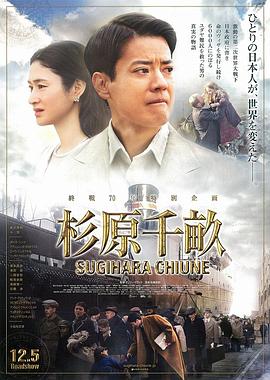
    杉原千亩

    愁云密布的20世纪中叶,出身日本普通家庭的杉原千亩(唐泽寿明 饰)凭借卓越的语言天赋和情报分析能力进入日本外务省,并被外派到伪满洲国外交部工作。他在工作中出色彰显了自身的实力,也被苏联方面判定为“不被欢迎之人”。在1939年,杉原千亩赴任立陶宛的大使馆,随时监视着欧洲大国的动向。未过多久,德国悍然向波兰发动闪电袭击,破坏力巨大且深远的第二次世界大战旋即拉开序幕。由于残酷的种族清洗,成千上万犹太人沦为难民。他们扶老携幼,寻找一切可能而微茫的求生机会。最终他们涌向日本驻立陶宛大使馆,乞求杉原千亩发放过境签证逃亡。  迫于和德国的同盟关系,日本方面拒绝难民的请求。站在国家利益和人性的交界处,杉原千亩做出了重大的决定……

    2015 / 日本

  • 60.33万次播放
    好莱坞星星女孩

    朱莉·哈特回归执导,格蕾丝·万德沃尔回归主演,迈克尔·潘操刀续集影片的原创音乐,哈特与约旦·霍洛维茨共同操刀剧本。续集影片将围绕星星女孩进入一个更大的充满了音乐、梦想和可能性的世界展开。瑟曼将饰演洛葛仙妮·马特尔,星星女孩在她的旅途中遇到了马特尔,并对其非常欣赏。

    2022 / 美国

  • 94.70万次播放
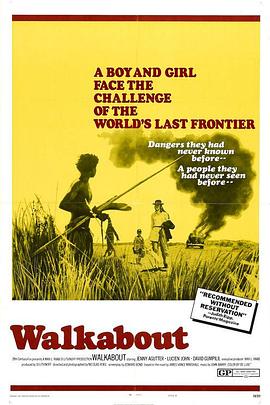
    小姐弟荒原历险

    父亲开车载着姐弟俩离开喧闹的城市,去野外野餐。开心的姐姐(珍妮•艾加特 Jenny Agutter 饰)和弟弟没有料到父亲在荒原中突然失控,拔枪射向二人,最后父亲在汽车的爆炸中死去。姐弟俩只得带上剩余物品穿行在荒无人烟的平原上。烈日炎炎,姐弟俩在石堆里过了一夜,第二天他们又饿又渴时发现了一棵果树下面的小水塘。小水塘的资源很快耗尽,绝望之际他们遇到了一个前来打猎的土著人(大卫•古皮利 David Gulpilil 饰),土著人留下来帮他们找到水和食物,三人继续在荒原上前行着,直到发现了一处树林里的废弃小屋,弟弟和土著人去找食物时却意外的发现了一条公路,而土著人则亲眼目睹了白人枪杀动物的场景......

    1971 / 英国

  • 7.08万次播放
    庇护之地

    隐居孤岛的特工界黄金王牌迈克尔·梅森(杰森·斯坦森 饰)本想就此隔绝过往,一场风暴却让他救下少女杰茜(博德希·蕾·布里纳希 饰),命运的齿轮彻底反转……他们的行踪不慎暴露在严密的监控网络之下,神秘势力的追杀接踵而至,无路可退的梅森被迫重操旧业,携手少女开启生死突围之路。 面对顶尖特工小队和冷血杀手的轮番围剿,梅森一路火力全开:近身肉搏、飞车追逃、枪林弹雨,硬核爽战全程高能!随着追杀不断升级,层层阴谋被逐一揭开,互相防备的两人成为彼此唯一的依靠。当滔天阴谋席卷而来,他们能否冲破死局?这份绝境中的守护,又会成为铠甲还是软肋?

    2026 / 英国 / 美国

  • 61.21万次播放
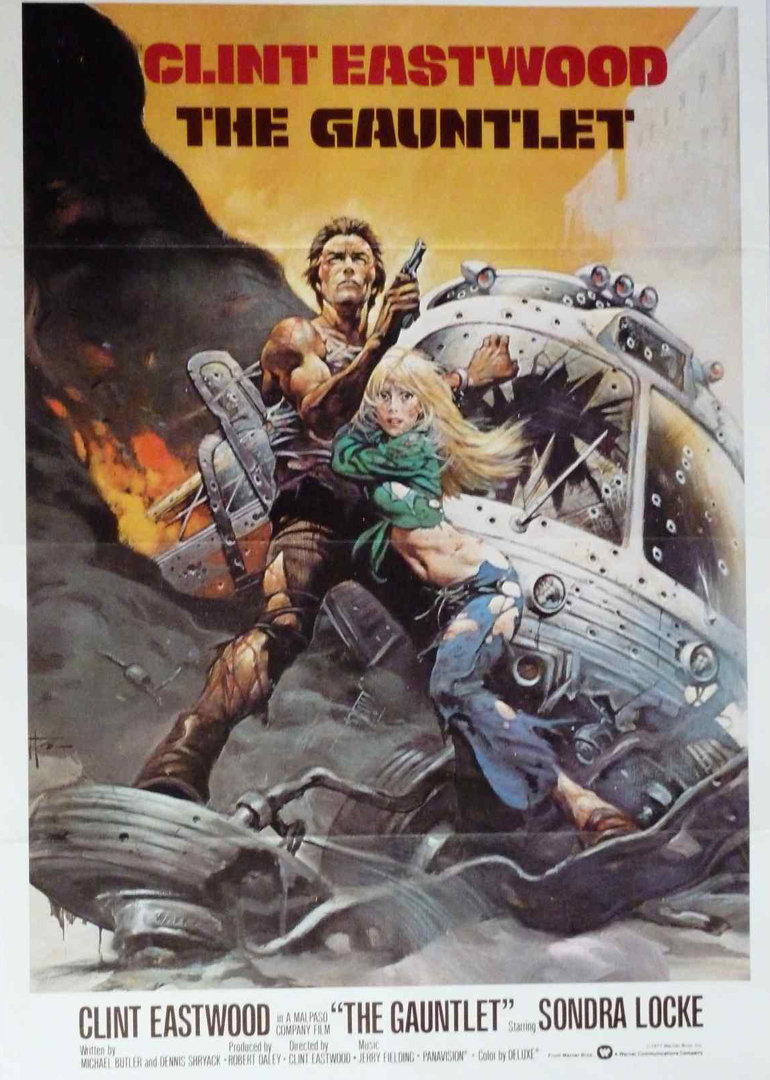
    魔鬼搭档

    沙克利是一名正直的警官,但从不受上级的赏识,直到临近退休才从新上任的局长手里接过一宗大案,要他到另一个城市把一宗毒案的重要证人莫利带到凤凰城出庭作证,当他要返回凤凰城的途中却连连被警方与黑帮分子追杀,种种迹象使他们明白,原来是凤凰城的警界与怨罪团伙相勾结,要杀他们灭口,正直的警官被激怒了,与莫利一起要杀回凤凰城报仇,他们故意将路线通知了敌人,和莫利两人开着一辆档满铁皮的大巴士一路开进了凤凰城,成百上千的警察受命拦截,车子被打得满目疮痍,在走投无路的情况下,二人相拥走出车门,穷凶疾恶的警察局长命令警察向他们开枪,慑于沙克利与莫利的正气,并无人听令,最终正义战胜邪恶,罪恶的警察局长死于莫利的枪下,二人相拥向远处走eee。

    1977 / 美国

欧洲的某个地方

首播时间:1948

更新状态:

监制:暂无

主演:ArtúrSomlay/MiklósGábor/ZsuzsaBánki

播放量:90.10万

剧情简介
Somewhere in the remote region, the war ends. In the midst of ruined cities and houses in the streets, in rural hamlets, everywhere where people still live, are children who have lost their homes and parents. Abandoned, hungry, and in rags, defenseless and humiliated, they wander through the world. Hunger drives them. Little streams of orphans merge into a river which rushes forward and submerges everything in its path. The children do not know any feeling; they know only the world of their enemies. They fight, steal, struggle for a mouthful of food, and violence is merely a means to get it. A gang led by Cahoun finds a refuge in an abandoned castle and encounters an old composer who has voluntarily retired into solitude from a world of hatred, treason, and crime. How can they find a common ground, how can they become mutual friends The castle becomes their hiding place but possibly it will also be their first home which they may organize and must defend. But even for this, the price will be very high.  To this simple story, the journalist, writer, poet, scriptwriter, movie director, and film theoretician Béla Balázs applied many years of experience. He and the director Géza Radványi created a work which opened a new postwar chapter in Hungarian film. Surprisingly, this film has not lost any of its impact over the years, especially on a profound philosophical level. That is to say, it is not merely a movie about war; it is not important in what location and in what period of time it takes place. It is a story outside of time about the joyless fate of children who pay dearly for the cruel war games of adults.  At the time it was premiered, the movie was enthusiastically received by the critics. The main roles were taken by streetwise boys of a children's group who created their roles improvisationally in close contact with a few professional actors, and in the children's acting their own fresh experience of war's turmoil appears to be reflected. At the same time, their performance fits admirably into the mosaic of a very complex movie language. Balázs's influence revealed itself, above all, in the introductory sequences an air raid on an amusement park, seen in a montage of dramatic situations evoking the last spasms of war, where, undoubtedly, we discern the influence of classical Soviet cinematography. Shooting, the boy's escape, the locomotive's wheels, the shadows of soldiers with submachine guns, the sound of a whistle—the images are linked together in abrupt sequences in which varying shots and expressive sharp sounds are emphasized. A perfectly planned screenplay avoided all elements of sentimentality, time-worn stereotypes of wronged children, romanticism and cheap simplification. The authors succeeded in bridging the perilous dramatic abyss of the metamorphosis of a children's community. Their telling of the story (the scene of pillaging, the assault on the castle, etc) independently introduced some neorealist elements which, at that time, were being propagated in Italy by De Sica, Rossellini, and other film artists. The rebukes of contemporary critics, who called attention to formalism for its own sake have been forgotten. The masterly art of cameraman Barnabás Hegyi gives vitality to the poetic images. His angle shots of the children, his composition of scenes in the castle interior, are a living document of the times, and underline the atmosphere and the characters of the protagonists. The success of the picture was also enhanced by the musical art of composer Dénes Buday who, in tense situations, inserted the theme of the Marseilaise into the movie's structure, as a motive of community unification, as an expression of friendship and the possibility of understanding.  Valahol Europaban is the first significant postwar Hungarian film. It originated in a relaxed atmosphere, replete with joy and euphoria, and it includes these elements in order to demonstrate the strength of humanism, tolerance, and friendship. It represents a general condemnation of war anywhere in the world, in any form.
选集
2.024484s