荣耀六十年

荣耀六十年

81.81万次播放 4.8分 1938

监制:暂无 / 主演:AnnaNeagle/AntonWalbrook/C.AubreySmith/WalterRilla

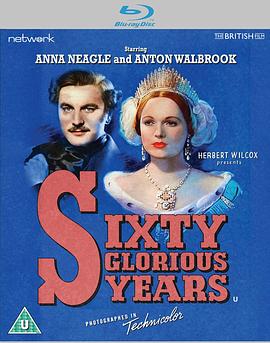
Sixty Glorious Years is an exercise in the creation of iconography, both for Victoria and its star, Anna Neagle (who subsequently became known as 'Regal Neagle'). Just as Elizabeth I commissioned artists to create flattering iconic images for public consumption, so this film performs a similar function, for Neagle is more beautiful than the real life Victoria. Controversial events (such as the 'Irish problem') are omitted and unpleasant aspects of Victoria's character (her petulance, arrogance, favouritism and 'right to privilege') are glossed over as endearing little 'whims'. Albert acts as a moderating influence when she goes too far.  The film followed a year after the highly successful Victoria the Great (d. Herbert Wilcox, 1937). Again the screenplay is by Miles Malleson and Robert Vansittart, and many of the supporting cast (the cream of acting talent of period) repeat their roles, this time for the colour cameras. This was the first full length Technicolor film of cinematographer Freddie Young, who captures the spectacle of royal weddings, grand balls and opulent interiors, with scenes actually filmed at royal palaces. Vivid battle scenes, set in Alexander Korda's empire territory (Sevastopol and the Sudan), rival those in The Four Feathers (d. Zoltan Korda 1939).  The title music sets the tone a regal choir sings over a shot of the crown. Elgar's 1901 'Pomp and Circumstance' march is heard during the diamond jubilee celebrations and, as Victoria's coffin lies in state, the film concludes with Anthony Collins' stately music accompanied by the text of Rudyard Kipling's 'Lest we forget'. Combined with the emotional appeal of scenes of Victoria connecting with her 'ordinary folk', this is stirring stuff.  The film connects with contemporary events of 1938. The release of two celebratory royal films was intended to boost public affection for the monarchy in the wake of Edward VIII's abdication. Anglo-German relations were another touchy subject. With another war on the horizon, influential voices wanted appeasement, and the film could be seen to fit that agenda. Victoria herself was of mainly German descent, nicknamed 'the grandmother of Europe', while Albert is a 'good German', charmingly played by Anton Walbrook as a cultured, decent man.  Sixty Glorious Years now seems unduly formal and reverential. Had movies existed during Victoria's reign (they only emerged at the end) this might have been the kind of film produced. Unlike Mrs Brown (d. John Madden, 1997), it is all so very 'Victorian'.  Roger Philip Mellor
简介
热门推荐

口碑剧集和同题材热播内容继续追

  • 53.00万次播放
    索莱

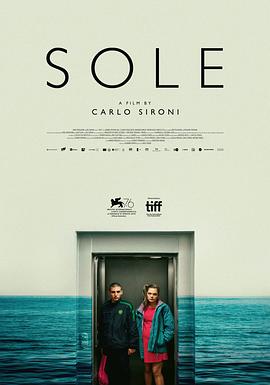
    两个不识彼此的青少年,少男终日沉迷电玩,少女则是身怀六甲,孤独是两人唯一的共通点;为了金钱,他们钻律法漏洞,假扮夫妻,好让婴孩未来过继给少男不孕的叔叔。疏离的两人,尽管共处一室还是少有交集;随着婴儿意外早产,他们被迫拉近距离,多了怀抱里的婴孩,生活突然有了温度。在满室寂 寞之中,爱的声音已悄然在耳边喧哗。

    2019 / 其它

  • 53.96万次播放
    禽兽1953

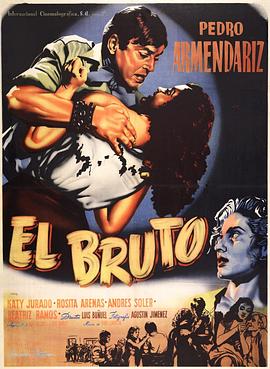
    房产主安德鲁斯(安德鲁斯·索勒Andrés Soler 饰)打算拆除名下一幢旧楼,但聚居在此的贫苦人家不搬,发誓斗争到底。安德鲁斯去自己的屠宰场找工人比德洛(比德洛·阿门德里兹 Pedro Armendáriz 饰)帮忙。比德洛非常感谢老板给他工作,对安德鲁斯言听计从,马上搬进了他家的储藏室。安德鲁斯的老婆帕洛玛(凯蒂·乔拉杜 Katy Jurado 饰)经营一家肉铺,对肌肉发达又勤快的比德洛十分满意,不自觉地看上了他。与此同时,比德洛奉安德鲁斯之命趁夜去旧楼搞破坏,推倒了一个当面质问他的老头儿,被众人追杀,藏进了老头不知情的女儿米卡(罗萨·阿丽纳斯 Rosa Arenas 饰)家。比德络爱上了这位善良的姑娘,第一次开始思考老板口中的“禽兽暴民”究竟是谁……  本片获墨西哥电影电视艺术学院奖最佳女配角奖(凯蒂·乔拉杜),并获最佳摄影和最佳男配角奖(安德鲁斯·索勒)提名。

    1953 / 其它

  • 1.41万次播放
    黄河异闻录

    本片讲述水利专家申天一和同窗辛远航在古木村治理黄河水患问题时,遭遇了“逆水行尸”的诡异事件,并意外搭救了昔日伙伴余茵。几人同行合力探索黄河诡事背后的真相。申天一等人在重重谜团中层层分析、逐步揭开谜底,找到了科学治理水患之法,彻底让古木村恢复了和平。

    2023 / 中国大陆

  • 58.56万次播放
    最后一次爱你

    钢琴家因情感矛盾引发车祸,陷入昏迷。抢救她的医生是他的男友,而钢琴家的孪生姐姐的出现,令三人的关系更为混乱

    2006 / 大陆

  • 28.06万次播放
    真实身份2024

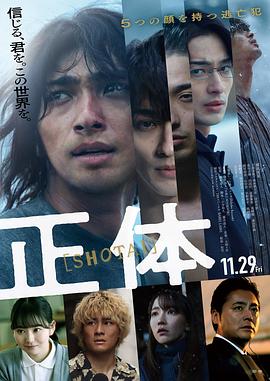
    本片改编自同名小说,讲述了镝木庆一作为一对夫妇被杀的杀人事件的嫌疑犯被捕,被判处死刑。他在移送过程中逃脱。镝木越狱的消息在电视等媒体上被大肆报道,警方虽然全力追查镝木的行踪,但仍未能抓到他。另一方面,事件受害者夫妇中丈夫的母亲井尾由子患有痴呆症,受到了事件的创伤,仍在护理机构进行疗养。镝木一边逃跑一边在躲藏的地方改变了名字和样子,他与施工现场的工作人员野野村和也等许多人相遇,并将他们从困境中解救出来。当野野村他们发现镝木是通缉中的死刑犯时,对于“他真的是杀人犯吗?”开始产生疑问。

    2024 / 日本

  • 36.43万次播放
    三个月

    讲述戳爷扮演的凯莱布是南佛罗里达的一名高三学生,在他即将开始人生的新篇章时遇到了HIV感染的风险,与此同时,他也经历了一场新的爱情之旅。

    2022 / 美国

荣耀六十年

首播时间:1938

更新状态:

监制:暂无

主演:AnnaNeagle/AntonWalbrook/C.AubreySmith/WalterRilla

播放量:81.81万

剧情简介
Sixty Glorious Years is an exercise in the creation of iconography, both for Victoria and its star, Anna Neagle (who subsequently became known as 'Regal Neagle'). Just as Elizabeth I commissioned artists to create flattering iconic images for public consumption, so this film performs a similar function, for Neagle is more beautiful than the real life Victoria. Controversial events (such as the 'Irish problem') are omitted and unpleasant aspects of Victoria's character (her petulance, arrogance, favouritism and 'right to privilege') are glossed over as endearing little 'whims'. Albert acts as a moderating influence when she goes too far.  The film followed a year after the highly successful Victoria the Great (d. Herbert Wilcox, 1937). Again the screenplay is by Miles Malleson and Robert Vansittart, and many of the supporting cast (the cream of acting talent of period) repeat their roles, this time for the colour cameras. This was the first full length Technicolor film of cinematographer Freddie Young, who captures the spectacle of royal weddings, grand balls and opulent interiors, with scenes actually filmed at royal palaces. Vivid battle scenes, set in Alexander Korda's empire territory (Sevastopol and the Sudan), rival those in The Four Feathers (d. Zoltan Korda 1939).  The title music sets the tone a regal choir sings over a shot of the crown. Elgar's 1901 'Pomp and Circumstance' march is heard during the diamond jubilee celebrations and, as Victoria's coffin lies in state, the film concludes with Anthony Collins' stately music accompanied by the text of Rudyard Kipling's 'Lest we forget'. Combined with the emotional appeal of scenes of Victoria connecting with her 'ordinary folk', this is stirring stuff.  The film connects with contemporary events of 1938. The release of two celebratory royal films was intended to boost public affection for the monarchy in the wake of Edward VIII's abdication. Anglo-German relations were another touchy subject. With another war on the horizon, influential voices wanted appeasement, and the film could be seen to fit that agenda. Victoria herself was of mainly German descent, nicknamed 'the grandmother of Europe', while Albert is a 'good German', charmingly played by Anton Walbrook as a cultured, decent man.  Sixty Glorious Years now seems unduly formal and reverential. Had movies existed during Victoria's reign (they only emerged at the end) this might have been the kind of film produced. Unlike Mrs Brown (d. John Madden, 1997), it is all so very 'Victorian'.  Roger Philip Mellor
选集
1.802695s