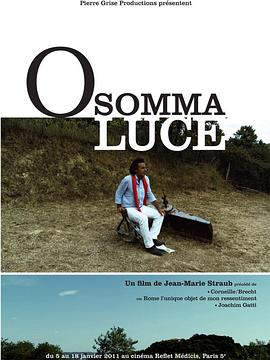
O somma luce

O somma luce

50.64万次播放 7.8分 2010

监制:暂无 / 主演:GiorgioPasserone

The lines start with “O Somma Luce” which is the title of the film and also the 67th line of the 33rd canto in “Paradiso” of Dante’s “Divine Comedy” to the end of “Paradiso”. The film is completed with music and lines instead of emotions and narrations. This is a recent attempt to combine film with literature.  The film begins with a black screen and the music of Edgard Varese. The BGM is “Deserts” that was recorded in 1954. After some moments of darkness, the music ends and a middle-aged man sits on a hill, reciting something. He is Giorgio Passerone, an Italian literature professor, and he is reading out of the last part of ‘Paradiso’ of Dante’s Divine Comedy. Jean-Marie Straub expressed how he thinks of Dante through a subtle accent and dialect. The director who had encoded many great artists and musicians including Bach, complete the combination of Dante and Varese, which could seem strange. (Lim Kyung Yong)
简介

热门推荐

口碑剧集和同题材热播内容继续追

  • 72.61万次播放
    丹麦小村教堂

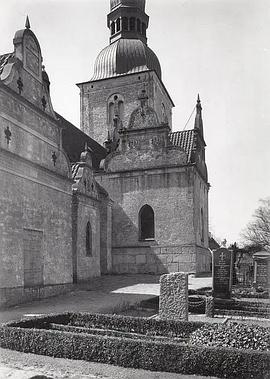
    The history of Danish country church architecture is told by showing scenes of how the church was used by the congregation, beginning with the celebration of mass in a small and simple wooden church 800 years ago, and ending with the congregation singing in a village church of to-day. The development and the growth of the pattern of church architecture is shown.  Dreyer in this film shows a series of churches from different periods with churchgoers in period clothing. Each period is separated by a shot of a church bell double-exposed on the sky. Although the film has a vibrant and instructive way of communicating the different epochs and styles to students, it does not exhibit the artistic quality that usually distinguishes a Dreyer film, except perhaps in some of the costumes, which were originally made for Day of Wrath.  The board of Dansk Kulturfilm in autumn 1945 decided that their planned church film would exclusively be about village churches. Dreyer would rework the script that was written by editor and folk high-school principal Bernhard Jensen, aided by a committee of experts consisting of architect H. Lønborg-Jensen and Victor Hermansen, curator at the National Museum of Denmark. Dreyer had a first draft ready in mid-March, entitled Kirken er et gammelt Hus (The Church Is an Old House), which was distributed to the members of the committee for their comments.  In the last half of July, Dreyer and Victor Hermansen travelled the country to look at suitable churches. They researched the details and at Dreyer’s request a number of technical changes were made to the churches, including the removal of porcelain holders for electrical wiring in Tveje Merløse Church.  On 4 July, Dreyer went in advance to Ringkøbing. Shooting was set to start a few days later with the arrival of the director of photography, Preben Frank, who had fallen off a ladder and broken his leg, Fortunately, he was ready to cautiously start working again within a few days, with his leg in a cast.  Otherwise, the production went without a glitch. Everywhere, Dreyer said, they were well received at the vicarages and they had no problem getting enough extras. On 1 august, they returned to Copenhagen with almost all their footage in the can. They only needed to film the church in Skelby, where the weather had been against them, plus a Swedish wooden church in Hedared. The economy was distressed so soon after the war, especially when it came to foreign currency, but there were no real wooden churches left in Denmark and building an interior set in the studio would be too expensive.  The finished film was shown for the first time on 24 September 1947 to a small, closed circle, which included the Minister for Ecclesiastical Affairs. In December 1947, as was Dansk Kulturfilm’s standard practice, the film was presented to the press, politicians and others on a programme with four other short films.

    1947 / 其它

  • 98.42万次播放
    没问题先生

    事业、友情出现危机的业务员刘旭(杨成饰),为了挽留仅剩的友情答应了朋友的条件——从今往后,必须无条件答应并做到所有人的任何要求!否则会失去人生中的一切!  刘旭严格执行朋友的要求,变成一个“没问题

    2015 / 大陆

  • 66.92万次播放
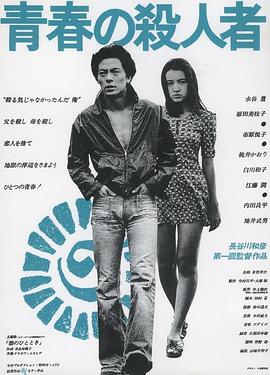
    青春之杀人者

    22岁的青年齐木顺(水谷丰 饰)其家中经营一家修车行,他靠父母出钱开了一个小酒吧,年轻貌美的美子(原田美枝子 饰)在酒吧中作女招待,久而久之,两人产生了感情。顺的父亲(内田良平 饰)私下请侦探了解美子的底细,因美子过去的一些经历而严厉禁止两人交往。父子争论不休,顺气急杀死了父亲,随后在争斗中亦将母亲杀死,从此走上了一条通往黑暗的道路……长谷川和彦导演处女作,原著为中上健次的短篇小说《蛇淫》,系根据1974年发生在千叶县市原市发生的真实弑亲案件改编。

    1976 / 日本

  • 91.90万次播放
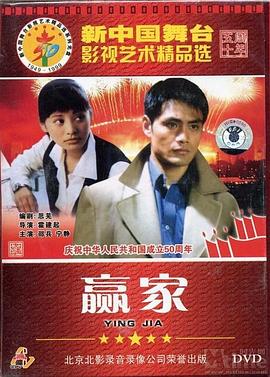
    赢家

    1990年代,北京。来京参加集训的短跑运动员常平(邵兵 饰)在一次意外事件中结识陆小扬(宁静 饰)。小扬的男友大鹏(耿乐 饰)整日打理生意,忽略了对女友的关照,小扬很是不满。通过一段时间接触,小扬对陆平产生好感,但作为残疾人运动员的陆平自感配不上小扬,心里非常矛盾。在一次为小扬家扛煤气罐时残腿受伤影响了训练,白教练(芝诚 饰)十分生气,收回假肢以阻止他与小扬约会。被人横刀夺爱的大鹏要跟常平决斗,但当他看到对手是个裤管空空的残疾人时,内心说不出什么滋味。残运会开始了,此时的小扬刚知道常平的身份,她急忙赶往体育场,无奈因没票被挡在外面,但场内响起的雷鸣般掌声让她悟到了什么......

    1995 / 大陆

  • 15.52万次播放
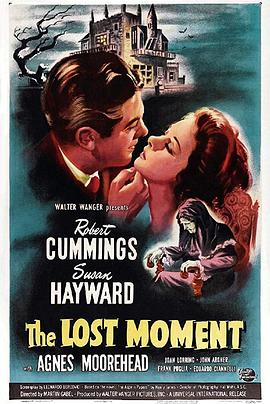
    不堪回首话当年

    路易斯(罗伯特·卡明斯 Robert Cummings 饰)是一名出版商,某日,他得到了一条机密消息,上世纪一位非常有名的诗人,他的情人朱莉安娜(阿格妮丝·摩尔海德 Agnes Moorehead 饰)依然存活于世,并且保留了自己和诗人之间的通信。为了得到这些信,路易威隐姓埋名,伪装成为了一位小说家,以住客的身份接近并且入住了朱莉安娜的家中。  如今,朱莉安娜和自己的侄女蒂娜(苏珊·海沃德 Susan Hayward 饰)生活在一起,蒂娜对于路易斯的到来非常的反感,处处针对他,当地的神父亦告诫路易斯,要远离这个家庭,否则会发生不幸。朱莉安娜和蒂娜的背后,究竟隐藏着什么秘密呢?

    1947 / 美国

  • 8.13万次播放
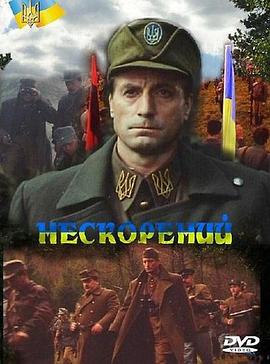
    战无不胜

    1950 рік. З кінцем Другої світової війни ведеться нерівна на теренах Західної України боротьба на два фронти спочатку проти німецьких окупантів, а потім — проти більшовицької навали. У Карпатах продовжують збройну боротьбу знесилені, знекровлені, — але нескорені духом — збройні частини та невеликі боївки Української повстанської армії, здавна могутньої, добре організованої та вишколеної армії.  На чолі армії — видатний Командир, легендарний генерал-хорунжий Роман Шухевич, знаний серед воїнів УПА як Тарас Чупринка. Саме долю цього командира покладено в гостросюжетну й динамічну основу фільму «Нескорений» це реальна спроба художніми засобами донести до глядача правду про події воєнного та повоєнного часу на Західній України.

    2000 / 其它

O somma luce

首播时间:2010

更新状态:

监制:暂无

主演:GiorgioPasserone

播放量:50.64万

剧情简介
The lines start with “O Somma Luce” which is the title of the film and also the 67th line of the 33rd canto in “Paradiso” of Dante’s “Divine Comedy” to the end of “Paradiso”. The film is completed with music and lines instead of emotions and narrations. This is a recent attempt to combine film with literature.  The film begins with a black screen and the music of Edgard Varese. The BGM is “Deserts” that was recorded in 1954. After some moments of darkness, the music ends and a middle-aged man sits on a hill, reciting something. He is Giorgio Passerone, an Italian literature professor, and he is reading out of the last part of ‘Paradiso’ of Dante’s Divine Comedy. Jean-Marie Straub expressed how he thinks of Dante through a subtle accent and dialect. The director who had encoded many great artists and musicians including Bach, complete the combination of Dante and Varese, which could seem strange. (Lim Kyung Yong)
选集
2.424967s